SP, AIMIM Urge UP Admin for Clean, Secure Eid-ul-Azha
 May, 27 2026
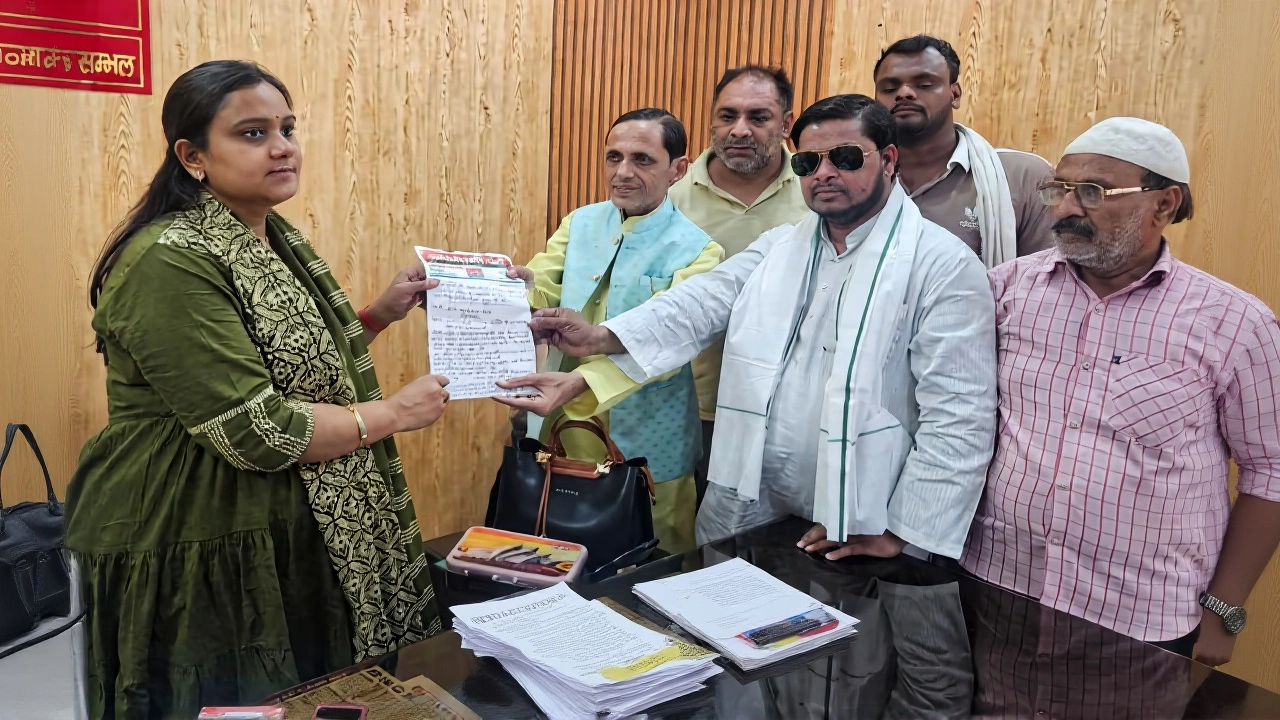
When Shahid Akhtar Izrayli, a prominent leader of the Samajwadi Party, handed over a memorandum to local authorities earlier this week, the message was clear: don't let poor sanitation or security lapses spoil the festivities. The delegation, led by Izrayli, met with Nidhi Patel, Sub-Divisional Magistrate to demand strict cleanliness protocols in urban areas ahead of Eid-ul-Azha.
But they weren't alone. In the neighboring district of Shamli, officials from the All India Majlis-e-Ittehadul Muslimeen (AIMIM) submitted a far more detailed list of demands to the District Magistrate. From uninterrupted water supply to dedicated garbage trucks for sacrificial remains, the political pressure is mounting on the Uttar Pradesh administration to get its act together.
A Race Against Time for Cleanliness
Here’s the thing about major religious festivals in India: the spiritual joy often clashes with logistical nightmares. For Eid-ul-Azha, which involves animal sacrifice, the stakes are higher than usual. The SP delegation focused heavily on one critical issue: hygiene.
Izrayli’s group argued that without proactive cleaning drives in the city center, the post-festival cleanup would become a public health hazard. They didn’t just ask for promises; they asked for action plans. The underlying concern? Last year’s experience left many residents dealing with foul odors and blocked drains for days after the holiday.
"We need assurances, not just words," sources close to the party said. "The administration has had weeks to prepare. Now is the time to show results."
The AIMIM Checklist: Beyond Basic Hygiene
While the SP’s memo was concise, the AIMIM’s submission in Shamli read like a comprehensive operational manual. Led by senior functionaries including Chaudhary Parvez Ali and Irfan Chaudhary, the party laid out specific requirements for municipalities, nagar panchayats, and gram panchayats alike.
Their demands covered five key areas:
- Utilities: Guaranteed electricity and water supply at all prayer grounds (Eidgahs).
- Security: Adequate police deployment at every Eidgah to prevent communal tension and manage crowds.
- Transport Logistics: Smooth transit for animals being brought for sacrifice, avoiding traffic bottlenecks.
- Waste Management Vehicles: Dedicated sanitation vans to remove blood and carcass remains immediately after slaughter.
- Disposal Pits: Pre-dug pits outside residential zones for scientific disposal of waste, preventing disease spread.
This level of detail suggests the party has been consulting closely with local community leaders who know exactly where things tend to go wrong. It’s not just about politics; it’s about practical governance.
Why This Matters Now
You might wonder why two different parties are submitting separate memos instead of coordinating. Turns out, this is standard procedure in Uttar Pradesh’s fragmented political landscape. Each party wants to claim credit for raising the issue and hold the administration accountable if things fail.
However, the convergence of their demands highlights a genuine systemic gap. Municipal corporations often lack the manpower and machinery to handle the sudden spike in organic waste during Eid. Without pre-planned disposal sites and transport vehicles, street vendors and residents are left to deal with the mess.
Experts note that proper management of Eid-ul-Azha waste isn’t just a civic duty—it’s a public health imperative. Improper disposal can lead to outbreaks of diseases like anthrax or leptospirosis, especially in densely populated urban slums.
The Administration’s Silent Response
As of now, neither SDM Nidhi Patel nor the Shamli District Magistrate has issued a formal public statement addressing these specific points. Local officials typically operate behind the scenes, coordinating with municipal bodies and police forces in closed-door meetings.
But wait—silence doesn’t mean inaction. In previous years, the Uttar Pradesh government has deployed special task forces for Eid, focusing on high-risk areas. The question remains whether this year’s preparations will match the scale of last year’s challenges.
Citizens are watching closely. Social media groups in both districts are already sharing real-time updates on road closures and water shortages, indicating that public scrutiny is higher than ever.
What Comes Next?
The clock is ticking. With Eid-ul-Azha approaching, the window for corrective action is closing fast. If the administration fails to deploy adequate sanitation teams or secure prayer grounds, expect sharp criticism from opposition parties—and possibly protests from affected communities.
For now, the ball is in the government’s court. Will they rise to the occasion, or will another festival end with complaints about filth and insecurity? Only time will tell.
Frequently Asked Questions
Who submitted the memorandums for Eid-ul-Azha arrangements?
Two main groups submitted memorandums. The Samajwadi Party delegation, led by Shahid Akhtar Izrayli, met with SDM Nidhi Patel. Separately, AIMIM officials including Chaudhary Parvez Ali and Irfan Chaudhary submitted a detailed memo to the District Magistrate in Shamli.
What were the primary demands in the AIMIM memorandum?
The AIMIM demanded guaranteed electricity and water at Eidgahs, increased police presence for security, smooth transport routes for sacrificial animals, dedicated sanitation vehicles for waste removal, and pre-dug disposal pits outside residential areas to maintain hygiene.
Why is cleanliness such a critical issue during Eid-ul-Azha?
Eid-ul-Azha involves large-scale animal sacrifice, generating significant amounts of organic waste, blood, and carcasses. Without immediate and scientific disposal, this waste can contaminate water sources, attract pests, and spread diseases like anthrax, posing serious public health risks.
Has the administration responded to these requests yet?
No official public response has been recorded from SDM Nidhi Patel or the Shamli District Magistrate as of the latest reports. However, local authorities are likely coordinating internally with municipal and police departments to implement necessary measures before the festival begins.
Which locations are specifically mentioned in these reports?
The reports specifically mention the urban area under the jurisdiction of SDM Nidhi Patel and the district of Shamli in Uttar Pradesh. Both areas have seen active political engagement regarding festival preparations.